
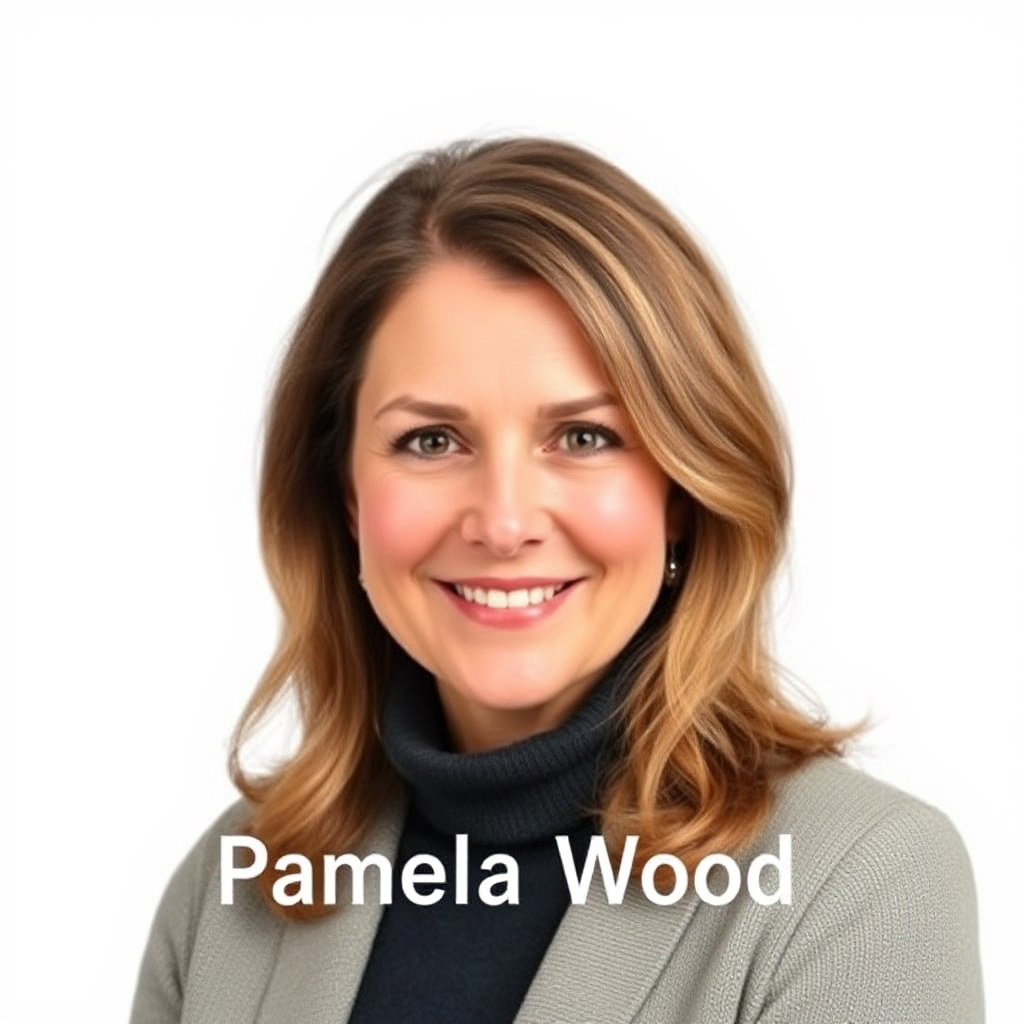

Previous Google executive Matt Brittin has been confirmed as the BBC's new leader.
The ex-president of Google's Europe, Middle East and Africa division will succeed Tim Davie, who revealed his departure in November after a row over how a Panorama edited a address by Donald Trump.
The BBC's chairman Samir Shah stated that the appointee, who left Google in the previous year after nearly two decades, "brings to the BBC considerable experience of managing a prominent and complex entity through a period of change".
Brittin said he "is excited to start this task", labeling it "a period of significant challenge, yet also genuine possibility".
He noted that the United Kingdom requires "a successful BBC that benefits everyone in a complex, volatile and fast changing landscape".
Setting out his priorities, he continued: "The BBC requires the speed and energy to be simultaneously at the heart of news, and where audiences are. To strengthen the scale, credibility and production quality today, confront issues with courage, and prosper as a publicly-funded broadcaster fit for the coming era."
'Sweeping Reform'
Shah described Brittin "an outstanding manager" with "the skills necessary to guide the corporation through the numerous developments happening in the industry and in viewer and listener behaviours".
The chairman also highlighted his "dedication to the BBC, his understanding of the issues confronting the organisation, his allegiance to its impartiality and his drive to uphold the BBC's standing as one of the country's key national assets".
The new chief arrives at "a crucial juncture", as the UK government assesses the BBC's royal charter, the chairman added.
"It is clear there is a necessity for radical reform of the BBC, its financial structure and the system in which it operates. The risks for the BBC, and the future of public service broadcasting, have never been greater."

The corporation's leadership role is regarded to be one of the most challenging in the UK's broadcasting.
During his time in office as the BBC's 17th chief, he was faced with handling a succession of controversies and crises at the broadcaster.
Brittin's priorities will include addressing a multi-billion dollar libel claim initiated by the former president against the BBC.
Trump is objecting to the way the programme edited together two segments of a address he gave on a key date, for which the BBC has said sorry.
Recently the broadcaster asked a court to throw out the lawsuit, stating the controversial programme was not broadcast in the US.
BBC at a Crossroads
The incoming chief takes charge at a critical moment for the BBC in several areas, too.
He will continue discussions with the government on the corporation's charter and the fate of the licence fee and BBC funding.
The present charter, which sets out the objectives and aims of the BBC's operation, will run out in the coming years.
His selection also arrives at a time when the BBC is competing with digital behemoths in the online content landscape.
Google's parent company owns YouTube, with which the BBC recently disclosed a significant deal to create bespoke programmes.
Corporate History a Asset?
Several individuals within Google "are full of praise" about Brittin, describing him as an inspirational boss and a excellent colleague".
Some have raised doubts about the BBC's appointment someone with a career history in tech rather than public service or traditional journalistic expertise.
However, it is understood that "he was chosen by the BBC Board for his deep understanding of major tech firms. There's an expectation he will accelerate the acceleration to digital-first, for example in news. He'll also probably prioritise revamping and developing BBC iPlayer."
Ex- senior BBC journalist Peter Barron, who was alongside Brittin at Google, remarked he is "deeply inspired by a feeling of the public good".
"He loves the BBC for its reliable journalism and its originality, but he's also acutely mindful of its past as a technical leader.
"His goal is for the BBC to prosper in a environment where several of its greatest challenges are connected to tech, whether that's the influence of the digital platforms, online disinformation, or just how the public wish to watch programmes.
"Given his track record and contacts across the technology sector, and also the relationships he's developed with TV networks, the journalism sector, regulators and governments, I think he's ideally suited to meet the tasks."
Who is Matt Brittin?

Born in Walton-on-Thames, Surrey, Brittin earned a degree from the University of Cambridge, while also competing in rowing for them in the Boat Race on three occasions.
He also competed for Great Britain and won|secured|earned


